
The Masai Mara National Reserve in Kenya is a world-renowned destination for wildlife lovers. It offers vast savannas, diverse ecosystems, and unforgettable best time for Masai Mara safari. While the Mara is a year-round gem, the months from July to October shine as the best time to visit. This is driven by the Great Wildebeest Migration, favorable weather, and exceptional wildlife sightings. This season is ideal for your best time for Masai Mara safari, highlighting key aspects like safari tours, animal migrations, and game viewing.
Ready to start planning? View our complete [3 days Masai Mara safari] for the ultimate 2026 itinerary and expert travel tips.
Witness the Great Migration on the best time for Masai Mara safari
The standout reason to plan your best time for Masai Mara safari from July to October is the Great Migration. During these months, nearly two million wildebeest, zebras, and antelopes journey from Tanzania’s Serengeti to the Mara’s lush grasslands. Key highlights include:
- Dramatic Mara River Crossings: Herds face perilous crossings at the Mara River, navigating swift currents and crocodiles. These events, peaking in August and September, are a magnet for wildlife photographers and thrill-seekers.
- Predator Encounters: The migration attracts predators like cheetahs, lions, and hyenas, creating opportunities to observe intense hunts during 3 Days Masai Mara Safari game drives.
- Epic Scale: The sheer number of animals moving across the plains offers a unique glimpse into the dynamics of wildlife migration, perfect for nature enthusiasts.

This season delivers a front-row seat to one of the planet’s most spectacular wildlife events.
Perfect Dry Season Conditions
The dry season from July to October provides ideal conditions for an immersive safari adventure in the Maasai Mara:
- Pleasant Weather: With daytime temperatures between 22–29°C (72–84°F) and minimal rainfall, the weather is comfortable for morning game drives and evening excursions. Clear skies enhance visibility for spotting distant animals.
- Accessible Terrain: Dry ground ensures safari vehicles can easily traverse the reserve, reaching prime game viewing areas without the challenges of muddy tracks.
- Wildlife Concentration: Scarce water sources draw animals to rivers and waterholes, making it easier to spot Africa’s Big Five (lion, leopard, elephant, buffalo, rhino) in close proximity.
These conditions create a hassle-free and visually stunning safari experience.
Unmatched Wildlife Viewing on the best time for Masai Mara safari
July to October is a golden window for wildlife sightings in the Masai Mara:
- Big Five Opportunities: The Mara’s open landscapes and reduced vegetation during the dry season make it easier to track elusive species like leopards or rhinos, ensuring thrilling game drive moments.

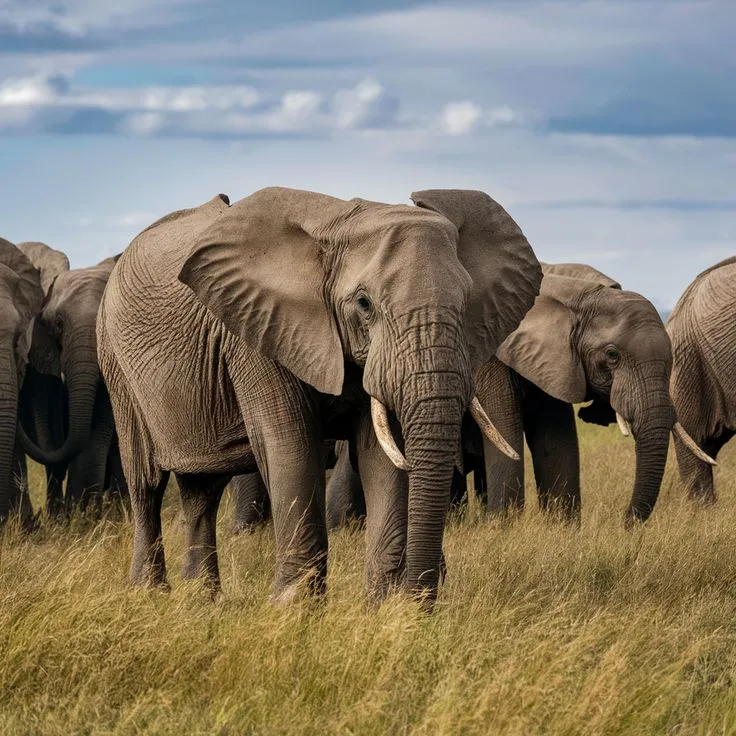
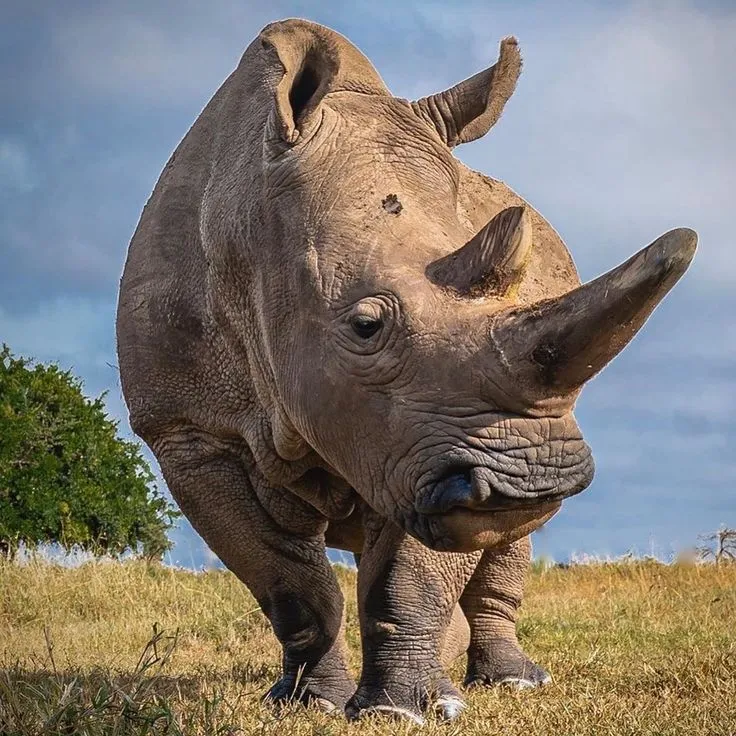


- Predator Activity: The influx of migratory herds fuels predator activity, offering chances to witness dramatic chases or kills, a highlight for wildlife enthusiasts.
- Birdlife Diversity: The Mara hosts over 450 bird species, and the arrival of migratory birds during this period adds vibrancy to birdwatching safaris, with sightings of colorful species like the African fish eagle or secretary bird.
This season maximizes your chances of experiencing the Mara’s rich biodiversity up close.
Best Time For Masai Mara Safari: Cultural and Practical Benefits
Beyond wildlife, the July-to-October window enhances your Maasai Mara journey in unique ways:
- Maasai Cultural Immersion: The dry season is perfect for visiting Maasai communities, where you can explore their vibrant traditions, crafts, and dances. Clear weather ensures comfortable and engaging cultural tours.
- Photography Perfection: The dry season’s soft, golden light and active wildlife create ideal conditions for safari photography, whether you’re capturing a cheetah sprint or a sunset over the savanna.
- Peak Season Energy: As the high safari season, lodges and camps are at their best, offering top-notch services. From luxury tented camps to budget safari lodges, there’s something for every traveler.
Best Time For Masai Mara Safari: Things to Keep in Mind
While July to October is the prime time, consider these factors:
- Premium Pricing: The high season brings higher demand, so best time for Masai Mara safari and accommodations may cost more. Early booking can help secure better deals on luxury safaris or budget camps.
- Busier Reserves: Popular areas, especially near river crossings, can draw crowds. Choosing private game drives or staying in adjacent conservancies like Naboisho offers a quieter experience.
- Plan Ahead: High demand means availability for top lodges or guides can be limited. Reserve your best time for Masai Mara safari well in advance to lock in your preferred itinerary.
Conclusion
The months of July to October are the ultimate time to embark on a best time for Masai Mara safari. The Great Wildebeest Migration delivers unmatched wildlife drama, the dry season ensures perfect conditions, and the vibrant ecosystem offers endless opportunities for game viewing and cultural discovery. Whether you’re chasing the Big Five, capturing stunning photos, or immersing yourself in Maasai culture, this peak season guarantees a wildlife adventure of a lifetime. Plan your best time for Masai Mara safari with Kairi Travels during these months for memories that will last forever.
