

July to October is the optimal period to witness the Great Migration in Kenya’s Maasai Mara. During these months, massive herds of wildebeest, zebras, and gazelles move from Tanzania’s Serengeti into the Mara in search of fresh grazing, following the seasonal rains. This is also when the dramatic Mara River crossings occur—arguably the most thrilling and iconic phase of the migration, as thousands of animals brave crocodile-infested waters and predators on both banks.
Why the Great Migration is a Must-See
Every year, the Great Migration sees vast herds move in a circular journey between Tanzania’s Serengeti and Kenya’s Maasai Mara. It’s not just about movement—it’s about survival. Crocodile-infested river crossings, lion ambushes, and the circle of life play out right in front of your eyes.
This migration is considered the “8th Wonder of the World”, and seeing it in the Masai Mara is nothing short of life-changing.
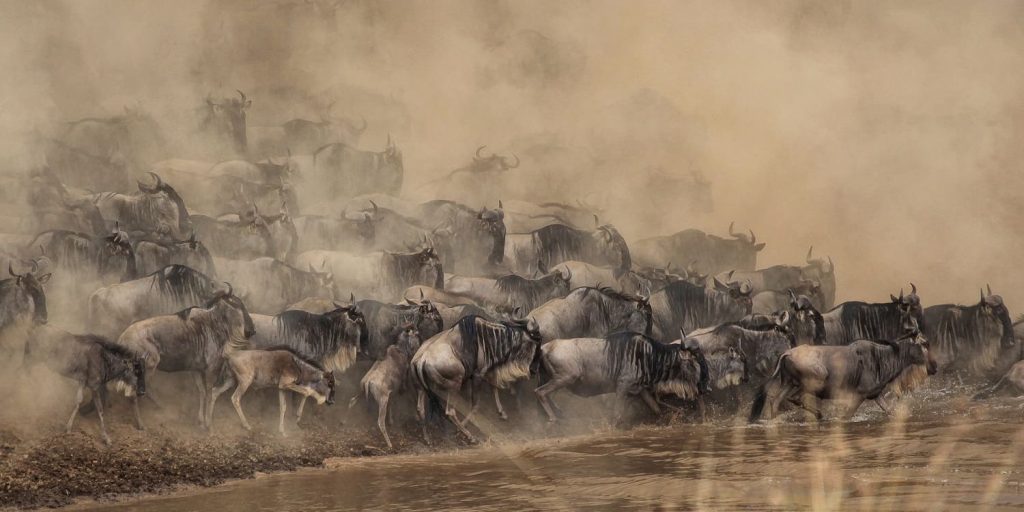
Great Migration: Month-by-Month Highlights
- July: The first herds begin to arrive in the northern Serengeti and cross into the Masai Mara. River crossings typically start in early July but depend on rainfall patterns.
- August–September: Peak migration season. Large concentrations of animals are present in the Masai Mara, and river crossings are frequent and spectacular.
- October: The herds graze in the Mara but begin preparing for their return journey south as the short rains approach.
- November: Most herds move back towards the Serengeti as the Mara’s grasses are depleted and the southern plains regenerate with new growth.
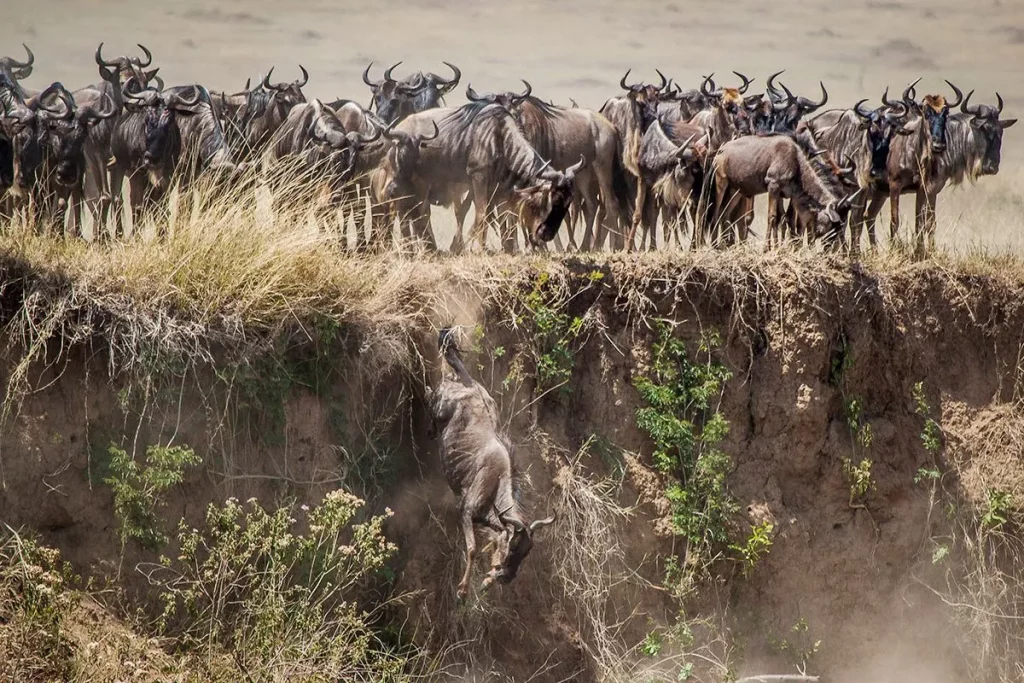
Why This Period Is Best for Great Migration
- River Crossings: The chance to witness mass crossings at the Mara and Talek rivers, with intense predator-prey interactions, makes this the most sought-after time for visitors.
- Wildlife Density: The Mara is teeming with wildlife, offering exceptional game viewing and photographic opportunities.
- Weather: Dry conditions make for easier travel and better visibility on game drives.
Additional Great Migration Tips
- Book Early: This is peak Great Migration safari season, and accommodations fill up quickly.
- Guided Safaris: Expert guides increase your chances of being in the right place at the right time for river crossings and other Great Migration spectacles.

Frequently Asked Questions (FAQs)
Q1: What is the Great Migration and why is it important?
A: The Great Migration is the massive annual movement of wildebeest, zebras, and gazelles between Tanzania’s Serengeti and Kenya’s Masai Mara. It’s one of nature’s greatest spectacles, involving river crossings, dramatic predator‐prey interactions, and millions of animals on the move. Watching it is a highlight of any Kenya Safari Holidays and a key feature in many Masai Mara Safari Packages.
Q2: When is the best time to plan a safari to catch the Great Migration?
A: The optimal window is July to October, when herds congregate in the Masai Mara and river crossings occur most frequently. For example, between August and September, river crossings at the Mara and Talek rivers reach their peak. If you want to align your 3 Days Masai Mara Safari or Masai Mara Group Joining Safari with the migration, book early in these months.
Q3: Can you still see the Great Migration in other months?
A: Yes, but sightings may be less dramatic. By November, many herds begin returning south. Other months may still offer good wildlife viewing in the Masai Mara and opportunities for Wildlife Safari Adventure, but not the full migration phenomenon.
Q4: Does the Great Migration impact park fees or availability?
A: During peak migration season, accommodation fills up fast and prices often rise. Lodges and camps inside the reserve are particularly in demand. That’s why many Kenya Safari Holidays packages recommend booking well in advance. Some operators may surcharge or require minimum stays during migration periods.
Q5: Should I adjust my 3 Days Masai Mara Safari itinerary to better view the Migration?
A: Yes. For best chances:
- Include early morning and late afternoon game drives.
- Focus on rivers (Mara, Talek) and crossing points.
- Stay within or near reserve zones where crossings usually occur.
- Travel with experienced guides who track herd movements.
These tweaks can turn a regular Wildlife Safari Adventure into a migration‐focused experience.
