
The Great Migration is one of the most awe-inspiring natural events on Earth — a continuous yearly movement of millions of wildebeest, zebras, and gazelles across Tanzania and Kenya in search of grazing lands, water, and safety. With Kairi Travels, you can plan the ultimate Great Migration safari to witness this spectacle up close. Whether you want dramatic river crossings in the Maasai Mara or the calving in the Serengeti, this guide helps you maximize your experience.

Highlights of the Great Migration
The key to experiencing the great migration, an iconic wildlife spectacle is to think of it not as a single event but a never-ending procession of animals through Tanzania and Kenya, says Andrew Purvis. Suddenly, as if by telepathy, the entire herd slows to a trot and we find ourselves surrounded by them. .
Some of the most unforgettable moments during the Great Migration include:
- Calving Season (December-March): Thousands of wildebeest calves are born in southern Serengeti. Predators are especially active.
- The Journey North (April-July): As the grass dries in the south, herds begin their trek north toward greener lands, crossing open plains and vulnerable points like rivers.
- River Crossings (August-September): Perhaps the most famous scenes — crossing Mara or Talek rivers under threat from crocodiles. One of the high-drama moments of the Great Migration.
- Return South (October-November): After grazing in Kenya, herds head back into Tanzania with the coming rains, completing the cycle
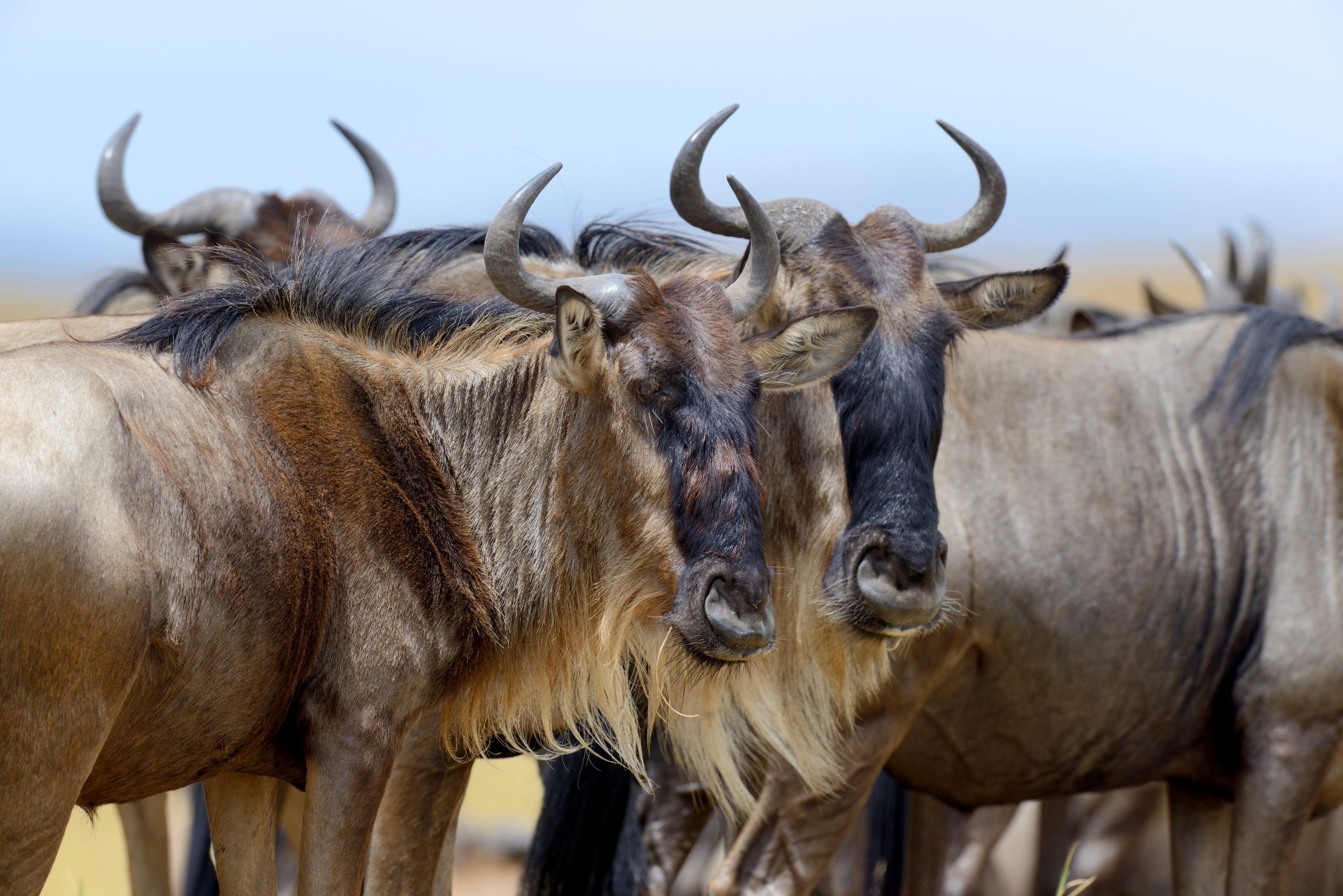
What is the Great Migration?
The Great Migration isn’t just a single moment — it’s a year-round procession covering some 1,200 miles (almost 2,000 km) through the Serengeti-Mara ecosystem. Herds move in response to rains, grass availability, and water sources. Approximately 1–1.5 million wildebeest, hundreds of thousands of zebras, and other plains herbivores take part. Along the way, predators follow — lions, hyenas, cheetahs — and rivers like Mara and others become dramatic crossing points. Kairi Travels Tours & Safaris
This migration is both survival and spectacle: births, deaths, crossings, lush grasses, dry plains — all synchronized with the seasons.
Make Your Great Migration Enquiry Below
When is the best time to see the Great Migration?
Timing your trip determines which migration phase you’ll witness. Here’s a seasonal breakdown with what to expect for a Great Migration safari:
| Time Period | What You’ll See | Advantages & Things to Know |
|---|---|---|
| December-March | Calving in Serengeti; newborns; predator activity; shorter grass so easier visibility. | Warm weather, fewer tourists in some parts. However roads may be wetter in certain zones. |
| April-July | Northern migration begins; herds heading toward Kenya; lush scenery post rains. | Great landscapes, fewer crowds early on; river crossings begin toward July. |
| August-September | Prime time for river crossings in Maasai Mara; high concentration of animals; dramatic photography. | This is peak, so higher demand and higher prices; need to book well in advance. |
| October-November | Herds return south; plains still abundant; fewer crowds in Mara after crossings. | Good wildlife activity; better deals possibly; some areas may be drying. |
Even outside “peak” migration times, many parts of the Serengeti and Mara remain rich with wildlife, and traveling during shoulder seasons or slightly off-peak gives more solitude and often better value
Rain patterns dictate the plans and movements of the herds during the great migration. They are becoming less predictable as a result of climate change. The good news is that, whenever you choose to visit there will be lots happening and plenty to see and photograph. Here is a broad seasonal guide to the great migration.

DECEMBER-MARCH
Baby wildebeest and stalking lions in Serengeti National Park
At this time of year, the herds are mainly found in southern Tanzania. “Wildebeest tend to congregate in February, when they give birth to as many as 500,000 calves over a three-week period,” Bromham explains. Crucially, the grasses of the Serengeti are also short. “Wildebeest prefer to calve here, without fear of the predators that typically lurk in taller grass.” Nevertheless, prides of lions test the vigilance of the grazing herds during the great migration.
APRIL-JULY
Low rainfall and high drama as the Great Migration gets under way
By April, Bromham says, the grass in southern Tanzania has largely gone and the rainy season is winding down. The herds begin their trek north across the central and western Serengeti, grazing hungrily as they go. The herd can be found in the northern reaches of Tanzania, near the border with Kenya. ” They are heading for the water-rich Maasai Mara, fed by Lake Victoria about 70 miles away.”
AUGUST-SEPTEMBER
Dramatic river crossings in the Maasai Mara Game Reserve
In late summer, large herds arrive in the Maasai Mara and crossing of the Mara and Talek rivers reach their frenzied climax. “August is probably the best month to catch a crossing,” Bromham says, “but take a book and plenty of patience, as it is a waiting game.”
OCTOBER-NOVEMBER
More than a million beasts head south as the rains return to Tanzania
The herds begin to leave the Mara and turn south. Ever on the move for greener pastures, they begin their return to the Serengeti for the start of Tanzania’s rainy season. “By early October,” Bromham explains, “the Maasai Mara grasslands are pool-table flat” because of excessive grazing. “The million-beast march starts the winding journey south, consuming approximately 5,000 tons of grass each day.”
How to Plan & Do the Great Migration with Kairi Travels
When you plan your Great Migration safari, there are several strategic decisions that can maximize the chance of seeing the best parts of the migration:
- Select regions wisely: Key spots include southern Serengeti for calving, western Serengeti and border regions, northern Serengeti toward the Maasai Mara for river crossings.
- Choose lodgings close to migration hotspots: Camps located near river crossing points or along the herd routes reduce travel time and increase opportunity.
- Decide transport mode: Road safaris are cheaper and scenic; fly-in safaris save time and fatigue, but cost more.
- Include expert guides: Guides with real-time knowledge of where herds and crossings are happening make a huge difference.
- Be flexible: Weather, rainfall, herd movements are not perfectly predictable — being willing to shift plans slightly improves chances of great sightings.
Kairi Travels offers tailor-made journeys, small group safaris, and private options. Our own Rhino Tourist Camp, for example, is positioned to give good access during river crossing periods.
Sample Great Migration Safari Itineraries
Here are two sample itineraries showcasing how different types of travelers might experience the Great Migration:
Option A: 5-Day Great Migration Safari (Serengeti + Maasai Mara Focus)
- Day 1: Arrival in Tanzania, transfer to southern Serengeti. Overnight near calving grounds.
- Day 2–3: Explore calving grounds. Observe predators, newborns, lush landscapes.
- Day 4: Move north towards Kenya border or western Serengeti; game drives en route.
- Day 5: Maasai Mara arrival; possible river crossings; afternoon drive; end in Mara.
Option B: 3-Day Great Migration Highlight Package
- Day 1: Departure for Maasai Mara → River crossing focus (if August or September) or herds gathering.
- Day 2: Full day in Mara — early morning and afternoon game drives, sunrise views, predator sightings.
- Day 3: Optional village visits; final game drive; departure.
These itineraries show how even a short safari tied to Great Migration timings can deliver powerful moments.
Wildlife to Watch Alongside the Great Migration
Beyond wildebeest and zebra, there are many other species and dynamics that make the Great Migration region so vibrant:
- Predators: Lions, crocodiles, hyenas, cheetahs. Most active at river crossings and along herd routes.
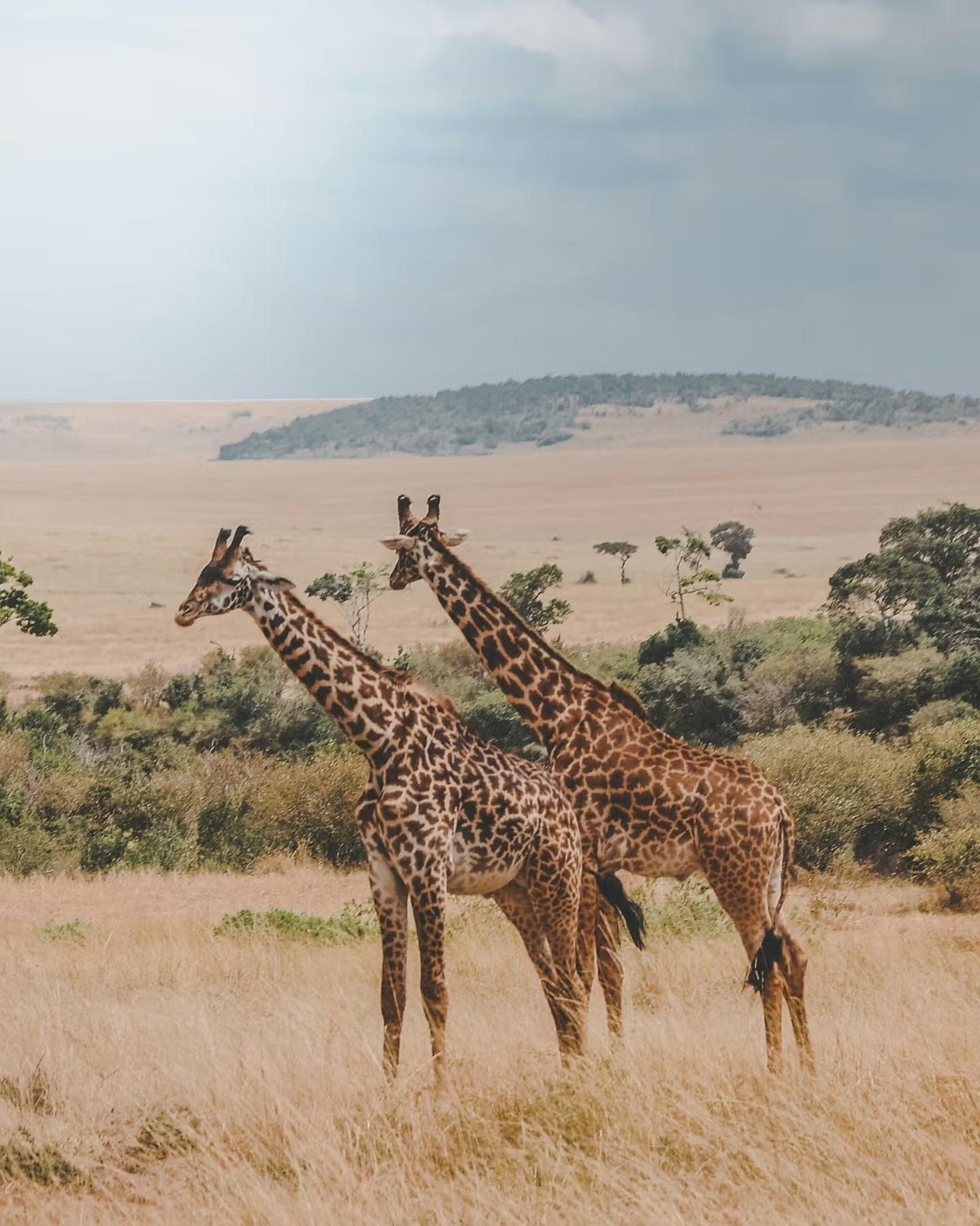
- Other Herbivores: Impala, gazelles, buffalo, elephant herds sometimes intersecting with migratory paths.
- Birds: Migratory and resident birds flock to water sources. Look for vultures circling overhead, storks, herons, African fish eagles, kingfishers.
- Scenery & Flora: Seasonally shifting landscapes — renewed grasses after rains, dusty plains, muddy rivers, lush greenery. The backdrop enhances the visual impact of the migration.
Tips for Your Great Migration Safari
To make your Great Migration safari more than just a wildlife tour, here are tips that help:
- Book early for river-crossing lodges: Lodges around Mara River or Talek, which offer crossing vantage points, are in high demand.
- Photography gear: Long zoom lenses, fast shutter speeds, extra batteries. Many dramatic moments happen quickly.
- Be prepared for weather: Rain may cause muddy roads or travel delays; mornings can be cool; midday hot sun.
- Stay patient and quiet: Some of the best predator activity or unusual behavior (like river crossings) happens after waiting. Be ready to linger.
- Safety: Always follow guide instructions around rivers and wild animals; keep distance; be aware of local conditions.
Challenges & What to Know
While the Great Migration is breathtaking, there are realities to be aware of:
- Variable rains and climate change are shifting migration timings and crossing points. Herd behavior is less predictable than before.
- Large crowds during peak season can mean lodges are full, access is limited, and sightings may be shared by many observers.
- Cost spikes: Peak season (especially river crossing time) often comes with higher lodge rates, charter flights, and logistical costs.
- Road conditions in shoulder or rainy seasons can be challenging, especially for remote camps.
Knowing the trade-offs helps you plan a Great Migration safari that meets your expectations.
HOW TO DO IT
We can get you to the heart of the Great Migration with a range of Tailormade Journeys, and Small Group Journeys. Our Kairi Travels Sanctuary properties include Rhino Tourist Camp.
Rhino Tourist Camp is be set up in the Masai Mara just for your family or group. It can also create a Private Great Migration Safari with any combination of stays in both destinations.
FAQ — The Great Migration
Here are commonly asked questions travelers have about the Great Migration, plus answers to help you plan:
Q1: When is the most dramatic time to see river crossings in the Great Migration?
A: Typically August through September in Maasai Mara — this is when herds cross Mara River and Talek under threat from crocodiles, which provides one of the migration’s most iconic spectacle. Kairi Travels Tours & Safaris
Q2: Can I still enjoy Great Migration experiences outside peak river crossing months?
A: Yes! Calving in December-March, herd movements in April-July, less crowded viewing in October-November — all provide strong wildlife and migration elements without the crowds.
Q3: Do I need a long safari to see the Great Migration?
A: Not always. Even shorter safaris (3-5 days) timed well can give you several high-impact moments, especially if based in Mara or western Serengeti near crossings.
Q4: Is it better to see the migration from Kenya (Maasai Mara) or Tanzania (Serengeti)?
A: Both offer different parts of the migration story. Serengeti is strong for calving and early herd passage; Mara shines for river crossings and high predator concentration during crossing season. Many itineraries combine both.
Q5: What is the best way to travel for the Great Migration — road or flight?
A: Flights save time and fatigue, especially when distances are long; roads are more affordable and scenic. The choice depends on your budget, time, and comfort preferences.
Q6: What should I pack for witnessing the Great Migration?
A: Essentials include good binoculars, camera with long zoom lens, neutral clothing, sun protection, rain gear, sturdy footwear, extra batteries/memory cards, and a flexible mindset.
Q7: Is the Great Migration worthwhile for repeat safari travelers?
A: Absolutely. Each season offers different crossings, behaviors, light, scenery, predator dynamics. Even repeat visitors often say migration still surprises them.
Why Book Your Great Migration Safari with Kairi Travels
- We track herd movements, rainfall, and crossing predictions to position you for the best sightings.
- Our accommodations include camps that are well-placed for migration highlights (river crossings, herds gathering).
- Flexible itineraries: we can build short or long safaris, group or private options, luxury or mid-range, depending on what you want.
- Experienced guides who know the terrain, behaviors, and best times for photography.
Final Thoughts
The Great Migration is more than a wildlife event — it’s a living, breathing cycle of life, death, renewal, drama, and beauty. From calving in the Serengeti to the high stakes of river crossings in Maasai Mara, each phase offers moments that expand understanding of nature and your place within it.
If your travel plans include Kenya or Tanzania in 2026 or beyond, aligning with the Great Migration can give you some of the most powerful wildlife experiences you’ll ever have. Let Kairi Travels help you plan wisely so every moment — sunrise drives, predator chases, river crossings — becomes part of your travel legacy.
Book your Great Migration safari today, and get ready to witness nature’s greatest show.
