
Kenya’s national parks are not only tourist attractions but vital conservation hubs safeguarding the country’s natural heritage. These protected areas play a crucial role in preserving biodiversity, supporting sustainable tourism, and fostering community development all while in a thrilling wildlife safari adventure.
1. Kenya’s Biodiversity Flexing
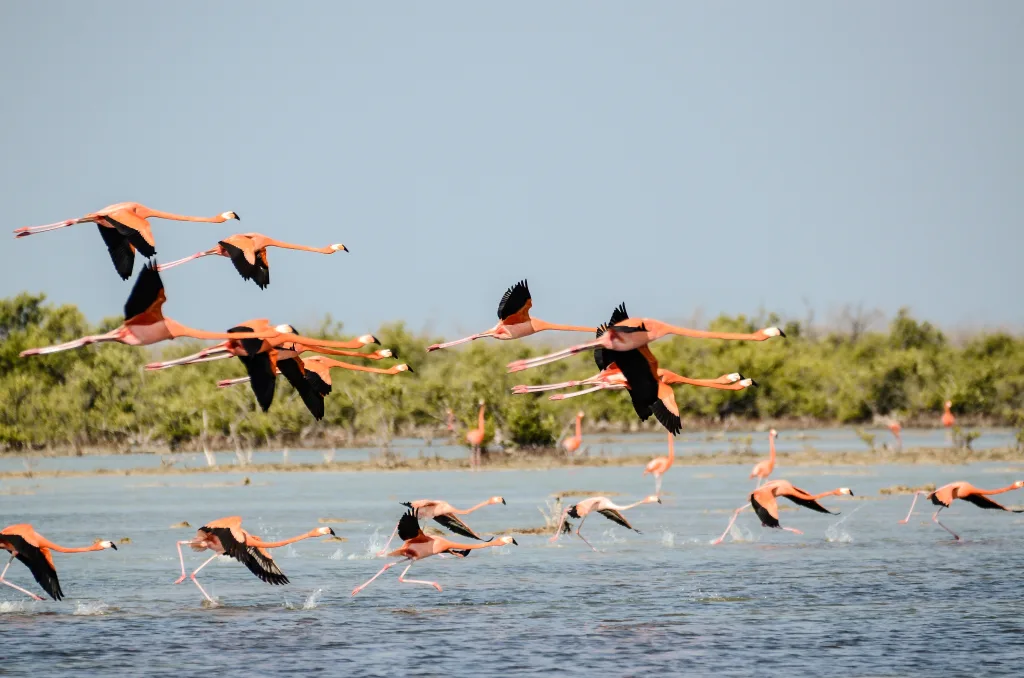
- Kenya’s ecosystem is wildly intense: about 30,000 species, including 315 mammals, over 1,100 bird species, hundreds of reptiles, amphibians, and fish. Iconic but endangered stars? Black and white rhinos, Grevy’s zebras, elephants—Kenya holds the biodiversity bragging rights.The Guardian
2. Community-Led Conservancies Kenya: Power Moves
- Over 100 community conservancies now span over 15 million acres, transforming conservation from a top-down fortress into inclusive stewardship.The Nature ConservancyLGT Impact Fellowship
- These protected zones provide solid community wins—from schools, scholarships, clean water, and healthcare, to women’s leadership opportunities.The Nature ConservancyKenya Wild Parks
- Examples:
- Ol Pejeta Conservancy: Evolved from 20 black rhinos in 1988 to 165 today. Its mix of tourism, cattle grazing, and high-tech anti-poaching (drones, rhino patrol units) is next-level.mambomseto.co.keWaka Africa
- Northern Rangelands Trust (NRT): Helps communities guard elephants, rhinos, and giraffes while fostering peace, beading income, and boosting livestock marketing.Waka Africa
- Olare Motorogi Conservancy (Maasai Mara ecosystem): Leases land from Maasai landowners, creates jobs, limits vehicles to reduce congestion, and runs eco-friendly mobile camps.Wikipedia
- Namunyak (Samburu County) and Mara Naboisho: Local-led, culturally rich, sustainable, low-tourist-density conservancies keeping wildlife and Maasai traditions thriving.Kendirita Tours & Travel
3. Conservation & Counties—The Amboseli Switch-up
- Big news: Amboseli National Park control shifted from national to Kajiado County, giving Maasai communities more say. This decentralization flips the script—if managed right, it aligns conservation with local needs. But it’s a high-stakes bet—bad leadership could be a major risk.Financial Times
4. Wildlife Corridors: Saving the “Free Range” in Wildlife
- Fragmentation is a legit threat. Migratory paths, like those for wildebeests, scientists say dropped from 140,000 to under 15,000 due to fencing.Country Life
- Wildlife corridors are key lifelines. The Lewa Conservancy, for instance, links Mt. Kenya forests to northern rangelands and shelters 14% of Kenya’s black rhinos.AP News
- In Nairobi National Park, fences and urban sprawl are choking migration—70–80% of wildlife depend on dispersal areas. Without action, these species face functional isolation.Nairobi National Park
5. Threats & Real-World Challenges
- Illegal bush meat hunting is rampant (96% of protected areas). Poaching (trophies, body parts) hits 80%. Human-wildlife conflicts and habitat encroachment run over 70%. migratory corridor loss hits 70%.ACCORD
- Tsavo East conflict: Elephants raid farms, lions stray and kill livestock, drought pushes wildlife into communities. Innovative tactics like bee fences are being used to protect crops.Wikipedia
- Climate change, habitat loss, and land fragmentation—they’re not the future—they’re happening now. Conservationists and CS Balala stress the urgency.The Star
- Forest threats in parks like Aberdare: mega-highway plans could fracture ecosystems and water sources, raising alarms from WWF and legal action.Climate Lens News
6. Historical Heroes & Global Context
- Richard Leakey, the national conservation celeb, led anti-ivory efforts that helped elephant populations bounce back post-1989 ban. Today, he warns that without global climate action, conservation wins are temporary
1. Preserving Wildlife and Ecosystems in Kenya
Conservation in Kenya’s parks—such as the Masai Mara, Amboseli, and Tsavo ensures the survival of endangered species like black rhinos, elephants, and cheetahs. By protecting habitats, the parks maintain healthy ecosystems and biodiversity, crucial for the balance of nature.

2. Combatting Poaching and Illegal Trade in Kenya
Through anti-poaching patrols, surveillance technology, and strict laws, conservation efforts have helped reduce wildlife crimes. Organizations and park authorities work tirelessly to protect iconic species from illegal hunting and trafficking.
3. Promoting Ecotourism and Sustainable Income in Kenya
Kenya’s parks attract visitors worldwide, generating revenue that funds conservation programs. Eco-friendly tourism provides jobs for local communities, encouraging them to protect rather than exploit wildlife resources.
4. Research and Education
National parks serve as living laboratories for scientific research and wildlife monitoring. Conservation programs often include education for both visitors and local populations on the importance of preserving nature for future generations.
5. Community Involvement
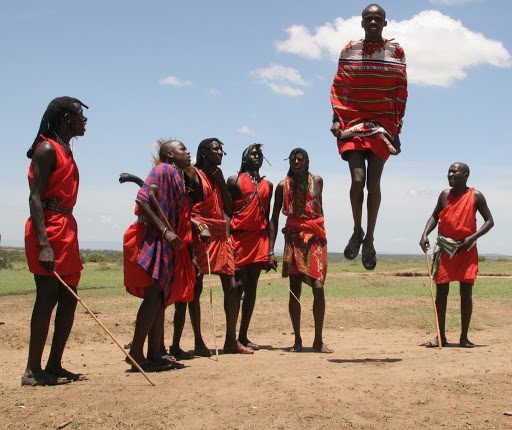
Effective conservation in Kenya involves local communities. Initiatives like community conservancies and benefit-sharing schemes empower locals to take part in wildlife protection and park management.
Conclusion
Conservation is at the heart of Kenya’s national parks. It’s a shared responsibility that protects wildlife, supports livelihoods, and secures a sustainable future for all. By visiting responsibly and supporting conservation initiatives, every visitor becomes a part of Kenya’s remarkable conservation story.
Kairi Travels is a massive supporter of conservation based tours and safaris.
