
The Great Migration is one of the most spectacular wildlife events on Earth, and the Masai Mara in Kenya is at the very heart of this natural wonder. Each year, millions of wildebeest, zebras, and gazelles cross the Mara River in search of greener pastures, creating dramatic scenes filled with life, struggle, and survival. A Kenya safari during this time is truly a once-in-a-lifetime experience, and at Kairi Travels, we specialize in designing safari packages that bring you up close to this breathtaking event.
What is the Great Migration?
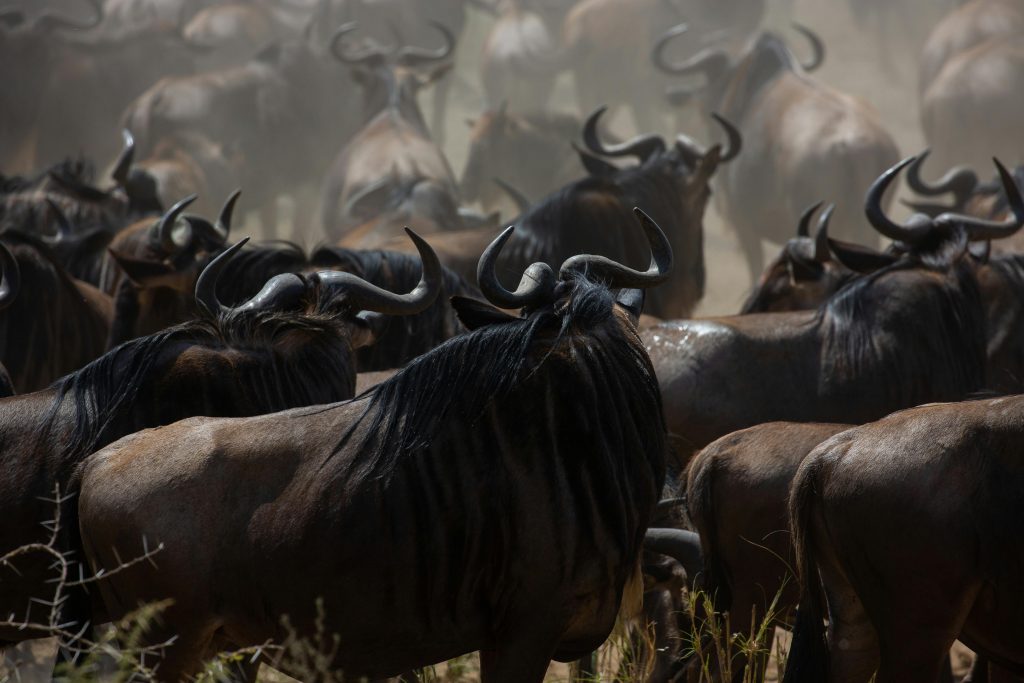
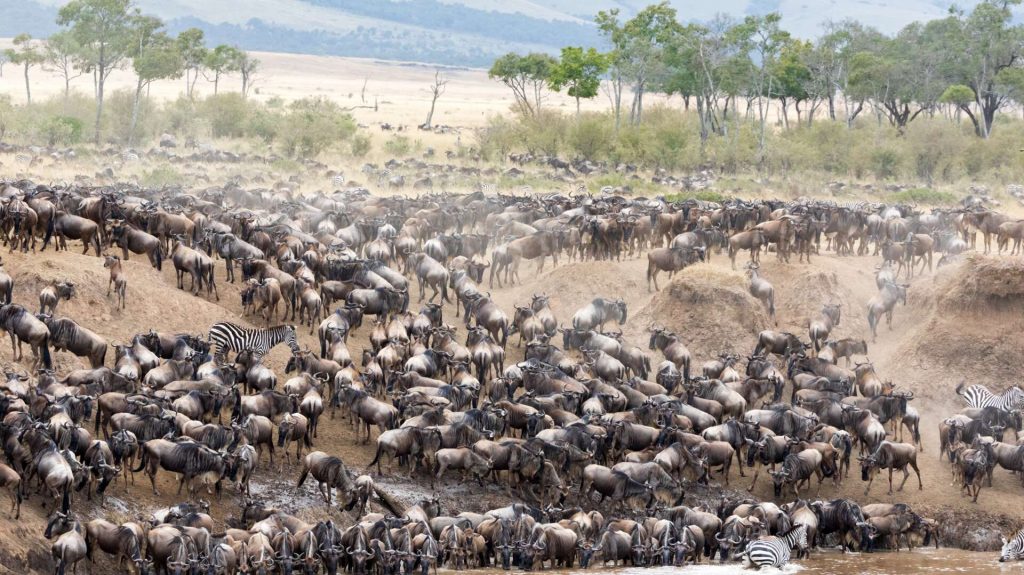
The Great Migration is the annual movement of over 1.5 million wildebeest, accompanied by hundreds of thousands of zebras and gazelles, between the Serengeti in Tanzania and the Masai Mara in Kenya. This cyclical journey is driven by rainfall patterns and the search for fresh grazing land. The most iconic moment occurs between July and October, when the herds cross the crocodile-infested Mara River — a heart-pounding spectacle of nature at its rawest.
Why Experience the Great Migration in Kenya?
The Masai Mara National Reserve is the ultimate stage for the Great Migration. While the migration spans two countries, the Mara is where the action reaches its peak. Here, you can witness not just the river crossings, but also dramatic predator-prey interactions, massive herds stretching across the plains, and the rich biodiversity that makes the Mara one of the world’s top safari destinations. From group joining safaris to luxury safari packages, we offer experiences to suit every traveler.
Best Time to See the Migration
The best months to witness the Great Migration in Kenya are July to October. During this period, the wildebeest herds move into the Masai Mara, making dramatic river crossings and attracting predators such as lions, leopards, and crocodiles. However, even outside these peak months, the Mara offers excellent game drives with abundant wildlife — making it a top destination for Kenya safari holidays year-round.
What to Expect on a Migration Safari
- Game Drives in Masai Mara – Multiple game drives to track the herds and witness the migration up close.
- River Crossings – The dramatic highlight of the migration, where survival is tested at every crossing.
- Big Five Sightings – Alongside the migration, you’ll also spot lions, elephants, buffalo, leopards, and rhinos.
- Birdwatching Safari – The Mara is home to over 450 bird species, making it a paradise for bird lovers.
- Cultural Experiences – Visit Maasai villages to learn about traditions and lifestyles deeply connected to the land.
Safari Packages to See the Great Migration
At Kairi Travels, we offer a wide range of Masai Mara safari packages designed to fit every budget and preference. Whether you’re looking for an adventurous budget safari in Kenya, a midrange safari with extra comfort, or an indulgent luxury Kenya safari package, we have the perfect option for you. Each package includes expert guides, comfortable accommodations, and carefully planned itineraries to maximize your migration experience.
Tips for Planning Your Great Migration Safari
To make the most of your Great Migration safari, consider booking early, as lodges and camps fill quickly during peak season. Choose accommodations close to the Mara River for the best chance of witnessing crossings. And don’t forget your camera — the migration offers endless opportunities for unforgettable photos.
Great Migration Safari — Masai Mara with Kairi Travels
Few spectacles in nature rival the Great Migration in Kenya. Each year, millions of wildebeest, zebras, and gazelles embark on a monumental journey from the Serengeti up into the Masai Mara, crossing rivers, dodging predators, and following ancient rhythms of rain and grass. If you’ve ever dreamed of witnessing raw wilderness at its most dramatic, our Great Migration Safari is the adventure you’ve been waiting for.
This isn’t just a safari — it’s nature’s greatest wildlife show. With Kairi Travels, your expedition is carefully timed, guided by expert trackers, and built around having front-row views of the migration’s greatest moments.
Why the Great Migration is a Must-See
- Epic scale & drama: The Great Migration involves over a million animals moving in a continuous cycle of survival, crossings, and renewal. The scale is almost unimaginable until you see it.
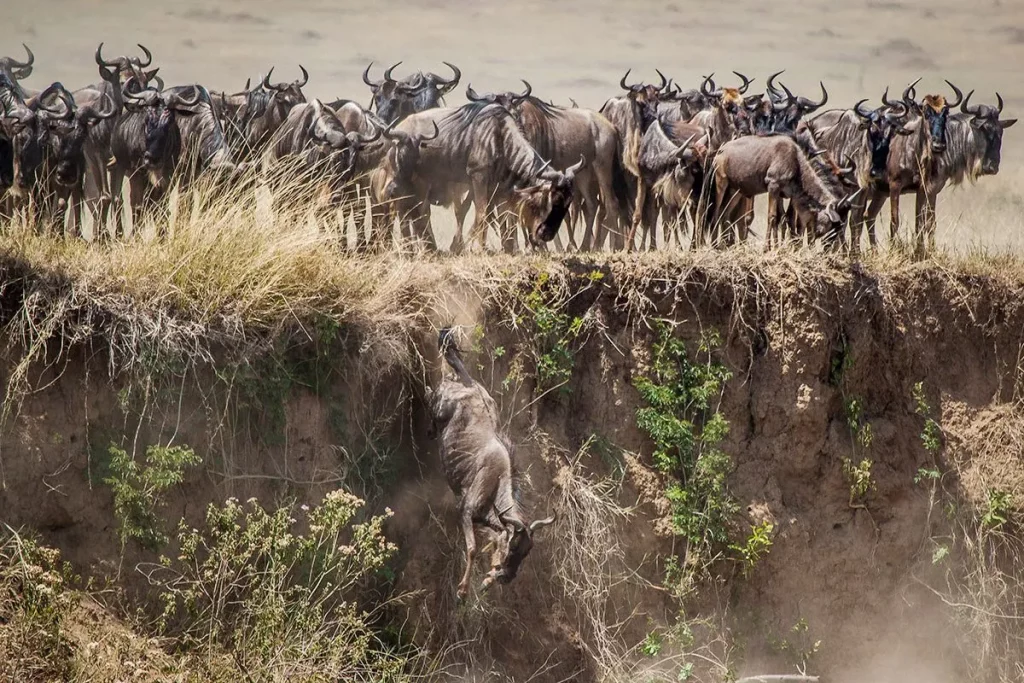
- River crossings: Arguably the most iconic moments of the migration. Wildebeest and zebras plunging into crocodile-filled rivers, risking everything to reach greener grass. These moments make the Great Migration Safari unforgettable.
- Predator dynamics: Predators follow the herds. Lions, leopards, hyenas, and crocodiles thrive during migration as they take advantage of the movement. If you’re lucky, you’ll witness chasing, stalking, dramatic kills.
- Seasonal variety & landscapes: From dusty plains to green savannahs, the Kenya of migration season is ever-changing. The skies, the light, the weather — all combine to create dramatic, cinematic scenery ideal for photography and storytelling.
When to Go: Best Timing for the Great Migration Safari
T iming is everything if you want the best experience of the Great Migration. Here are key seasonal windows:
| Period | What you’re likely to see |
|---|---|
| July to October | Herds crossing from Serengeti into Masai Mara; river crossings (Mara River); intense predator activity. Peak season. |
| January to March | Calving season in southern Serengeti; many births; predators more active near newborns. Lesser numbers in Mara yet rich wildlife. |
| November | Short rains provide fresh grass, fewer tourists; good option for travelers looking for quieter moments yet migration presence. |
| April–May | Long rains; some migration movement; road conditions may be challenging; fewer crowds; vibrant green landscapes. |
Booking for the July–October window tends to deliver the most dramatic migration sightings, especially river crossings. However, these are also the busiest times; lodges fill up fast, and prices rise. If you prefer fewer crowds, early November or late January-February offers a blend of migration activity and greater solitude.
What Your Great Migration Safari with Kairi Travels Looks Like
Here’s what to expect on one of our Great Migration Safaris in the Masai Mara:
Day-by-Day Highlights
- Day 1: Depart Nairobi or your starting point early in the morning. Arrive in Masai Mara by afternoon. Your first game drive — perhaps catch zebra or wildebeest already in Mara, scenery, sunset over the plains. Overnight in Mara camp or luxury lodge.
- Day 2: Full day of wildlife exploration. Two main game drives — early morning to catch predator action at dawn, and late afternoon when the light is golden. Look out for river crossings if timed well. Birdlife, smaller mammals, and wide-angle landscapes fill the gaps.
- Day 3: Final morning game drive for those last memories — maybe getting one more crossing, watching herds gather at riverbanks, or the drama of predation. Relaxed breakfast, pack up, and depart.
You’ll travel in 4×4 safari vehicles, guided by experienced rangers who monitor migration movement and know where best to position. Lodging is comfortable, with options depending on your budget: tented camps, lodges, or luxury safari camps with amenities. Meals, transfers, park fees are included; optional extras might be balloon rides, cultural visits, bush dinners, photo hides.
Wildlife & Landscape: What You’ll See
- The moving herds: Wildebeest, zebra, gazelle — entire plains churn with life and movement. If you’re lucky, rivers like the Mara will deliver dramatic moments when the herds cross under threat.
- Predators in action: Lions, hyenas, cheetahs, and crocodiles all benefit during migration — more prey, more opportunity. A well-timed game drive can turn into a predator spectacle.
- Birdlife: Migration season draws large flocks of birds — vultures circling overhead, storks, kingfishers, raptors, waterbirds along rivers. For bird watchers, the Great Migration Safari is doubly rewarding.
- Scenery & seasonal contrast: Dry dusty plains giving way to green grasslands; dramatic skies, storms, golden light — the migration seasons offer dynamic visuals that change with every hour.
Tips to Maximise Your Great Migration Safari
To get the most out of your Great Migration Safari, consider these strategies:
- Travel with experts who monitor migration data: Herds move; river crossings happen in certain spots. Guides who follow these migrations increase your chances of witnessing crossings.
- Stay flexible: If possible, tweak itineraries to align with herd movement. Sometimes crossing points change depending on rain and grazing.
- Choose camps close to known crossing zones: Being nearer means less driving and better window to river action.
- Go on a photo safari: Early morning and late afternoon light are best. Bring good camera gear (telephoto lenses), extra batteries, memory cards.
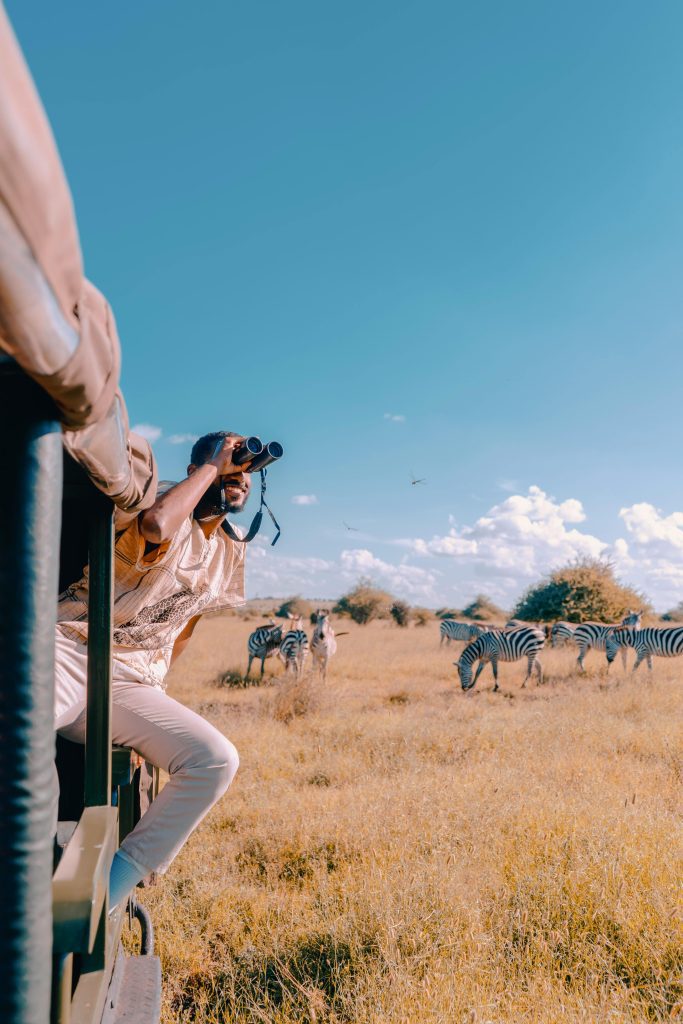
- Pack smart: Climate is variable—warm during day, chilly at dawn/dusk; rains may happen. Layers, waterproofs, sunscreen, binoculars are essentials.
Accommodation & Luxury Options
Our Great Migration Safari offers lodging suited to different preferences:
- Tented camps: Rustic, scenic, often near crossing zones, with basic comfort and charm.
- Mid-range lodges: More stable structures, improved meal options, sometimes with views over watering holes.
- Luxury safari camps: High-end tents or lodges with finer decor, private verandas, sometimes plunge pools, elevated service, bush dinners, private drives.
Luxury camps are ideal for those who want the drama of the Great Migration plus comfort. If you choose higher lodging, expect additional amenities like sundowners, spa options, possibly balloon safari flights at dawn.
Cost Considerations & Booking Advice
- Prices swell during peak migration months (July-October), especially for camps near river crossings. Booking early secures better accommodation at better rates.
- Consider group joining safaris if you want lower cost per person. Shared vehicles, shared lodging reduce cost.
- Check what’s included: park fees, guides, meals, game drives, transfers. Extras like balloon rides, premium meals, private vehicle hire cost extra.
- Read cancellation policies carefully—migration season lodges often have strict policies, high demand.
Real Stories & Migration Moments
Imagine seeing thousands of wildebeest thunder across the Mara River, dust rising, crocodiles lunging, the roar of the herd carrying across the water. Or maybe watching a pride of lions at dusk, herds grazing in the golden glow, birds circling the sky. These are the moments that make the Great Migration Safari not just a trip, but a story you’ll tell forever.
Many travelers say their Great Migration experience changed how they see wildlife — the scale, the urgency, the beauty are humbling.
Frequently Asked Questions about Great Migration Safari
Q: Is the Great Migration always visible in Masai Mara?
A: Migration patterns shift slightly due to rainfall and grazing conditions. Generally, July to October offers the highest certainty for crossings in the Mara, but sightings can happen outside that window too in southern Serengeti and other migration paths.
Q: What wildlife is seen besides the migrating herds?
A: Plenty. Big Five (lion, elephant, buffalo, leopard, rhino), predators following herds, various plains animals (gazelles, impala, wildebeest, zebra), and rich birdlife.
Q: How physically demanding is a Great Migration Safari?
A: Moderate. Long game drives, early mornings, sometimes long drives between locations. But lodging and transport are arranged to reduce fatigue; you’re not expected to hike huge distances unless you choose walking add-ons.
Q: Can I do a Great Migration Safari on a tight budget?
A: Yes — shared group safaris, mid-range lodging, flexible travel dates help. Early booking secures more affordable options before peak prices set in.
Q: How many days do I need for a meaningful Great Migration experience?
A: Ideally 3–5 days in the Mara gives you good opportunity. Longer stays increase flexibility to follow herd movement and witness crossings when they happen.
Sample Great Migration Safari Package with Kairi Travels
Here’s a proposed itinerary that delivers the full migration experience:
- Day 1: Arrive Nairobi, fly or drive to Masai Mara. Evening game drive, dinner at camp.
- Day 2: Early-morning game drive, full day exploring Mara, possible river crossing at certain spots, afternoon drive, sundowner.
- Day 3: Another game drive at dawn, breakfast, rest, then transfer to next destination or back to Nairobi.
Optional upgrades: hot air balloon ride over Mara, bush dinner, photographic hides, private guide.
Final Thoughts
The Great Migration is more than just wildlife—it’s an epic endeavor, a testament to nature’s resilience, and a visual feast that leaves an imprint. A safari centered around watching this miracle in motion is not just a trip, it’s an experience of a lifetime.
If you’re ready to witness one of the world’s greatest wildlife spectacles, to walk in the footsteps of the wildebeest, feel the electrifying tension of river crossings, and stand beneath the vast Kenyan sky as nature performs its greatest show — then book your Great Migration Safari with Kairi Travels.
Book Your Great Migration Safari with Kairi Travels
Witnessing the Great Migration is more than a safari — it’s a life-changing experience. At Kairi Travels, we make it seamless to plan and enjoy this incredible journey. From budget-friendly group tours to exclusive luxury safaris, we ensure every traveler finds their perfect adventure. Contact us today to book your wildlife safari adventure and secure your spot for the next migration season.
