
Let’s Go on a Wildlife Safari Adventure!!
Going on your first Wildlife Safari Adventure is an experience like no other—an adventure that immerses you in the wild, connecting you with nature in ways few other trips can. Whether you’re tracking the Big Five in Kenya’s Masai Mara or enjoying the serene landscapes of Amboseli with Mt. Kilimanjaro as your backdrop, there’s something magical about safaris. However, as with any unique experience, it’s essential to know what to expect to fully enjoy the journey.
This guide will take you through the ins and outs of a safari, from preparation to the thrilling game drives.
1. Planning Your First Wildlife Safari Adventure
The key to any successful Wildlife Safari Adventure is preparation, and a safari is no exception. Here are some important things to consider:
a) Choosing the Right Destination for Your Wildlife Safari Adventure
- Kenya offers a wide variety of safari options, from the famous Maasai Mara, known for the Great Migration, to lesser-known parks like Meru National Park for a more intimate experience.
- Decide whether you want a safari focused on wildlife, landscapes, culture, or a mix of all three.
b) When to Go on a Wildlife Safari Adventure
- The dry season (June to October) is typically the best time for wildlife viewing as animals gather around water sources, making them easier to spot.
- If you’re aiming to witness the Great Migration, plan your Wildlife Safari Adventure between July and September.
- The green season (November to May) can offer fewer crowds, vibrant landscapes, and lower prices, although wildlife may be harder to spot.
2. Wildlife Safari Adventure Types: What Are Your Options?
There are various types of Wildlife Safari Adventure to choose from, and it’s crucial to know which one suits your travel style:
a) Game Drives
- The most common form of Wildlife Safari Adventure, game drives typically happen in the morning and late afternoon when animals are most active.
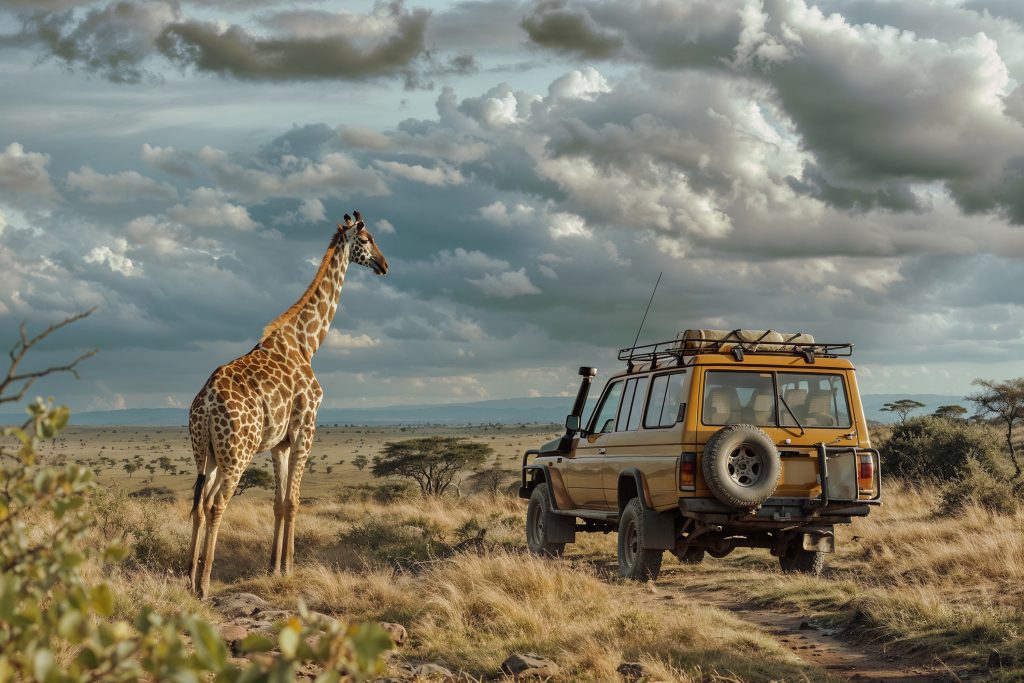
- You’ll be seated in a 4×4 vehicle with open sides or a pop-up roof for clear views, led by a skilled guide.
b) Walking Safaris
- If you want a more immersive Wildlife Safari Adventure, a walking safari allows you to explore the wilderness on foot, with a guide showing you the smaller aspects of the bush—from insects to plant life, and occasionally large animals from a safe distance.
c) Balloon Safaris
- For a unique perspective, opt for a hot air balloon safari over places like the Masai Mara, where you can see vast herds of wildlife below, followed by a champagne breakfast in the bush.
d) Boat Safaris
- Lakes such as Lake Naivasha offer boat safaris where you can get up close to hippos, crocodiles, and a variety of bird species, ideal Wildlife Safari Adventure for birdwatchers.

3. What to Pack for Your Wildlife Safari Adventure
Packing for a safari requires some thoughtful preparation, as you’ll want to be prepared for the different climates and activities you’ll encounter. Here’s a breakdown of essentials:
a) Clothing
- Stick to neutral-colored clothing (khaki, olive, brown) to blend into the environment and avoid attracting insects.
- Layers are important: mornings can be chilly, while afternoons get hot.
- A wide-brimmed hat, sunglasses, and a light scarf to protect against the sun and dust.
- Comfortable, breathable fabrics like cotton or moisture-wicking materials are best.
b) Footwear
- Sturdy, comfortable shoes or boots are a must for walking safaris, while lighter shoes are fine for game drives.
c) Accessories
- Binoculars for spotting wildlife at a distance.
- A camera with a zoom lens—A Wildlife Safari Adventure is the perfect opportunity for photography, and you don’t want to miss capturing the action.
d) Sunscreen and Insect Repellent
- Protect yourself from the sun with a high SPF sunscreen, and carry insect repellent to ward off mosquitoes.
e) Medical Supplies
- A basic first aid kit, as well as any personal medications, are essential. Some safari lodges and camps may be remote.
4. What to Expect During Your Wildlife Safari Adventure
Once you arrive at your safari destination, the adventure truly begins. Here’s what you can anticipate during a typical safari day:
a) Early Morning Game Drives
- Wake up before sunrise, typically around 5:30 or 6:00 AM. The early hours are when animals are most active.
- After a light breakfast, you’ll head out in a 4×4 vehicle with your guide to explore the park.
- Expect to see animals like lions, elephants, and giraffes, as well as smaller creatures like warthogs and antelopes.
b) Midday Break
- After your morning drive, you’ll return to your camp or lodge for lunch and some downtime. The heat of midday makes wildlife more elusive, so this is a great time to relax, swim, or take a nap.
c) Afternoon Game Drives
- The afternoon drive usually starts around 4:00 PM, as animals begin to stir again as temperatures cool.
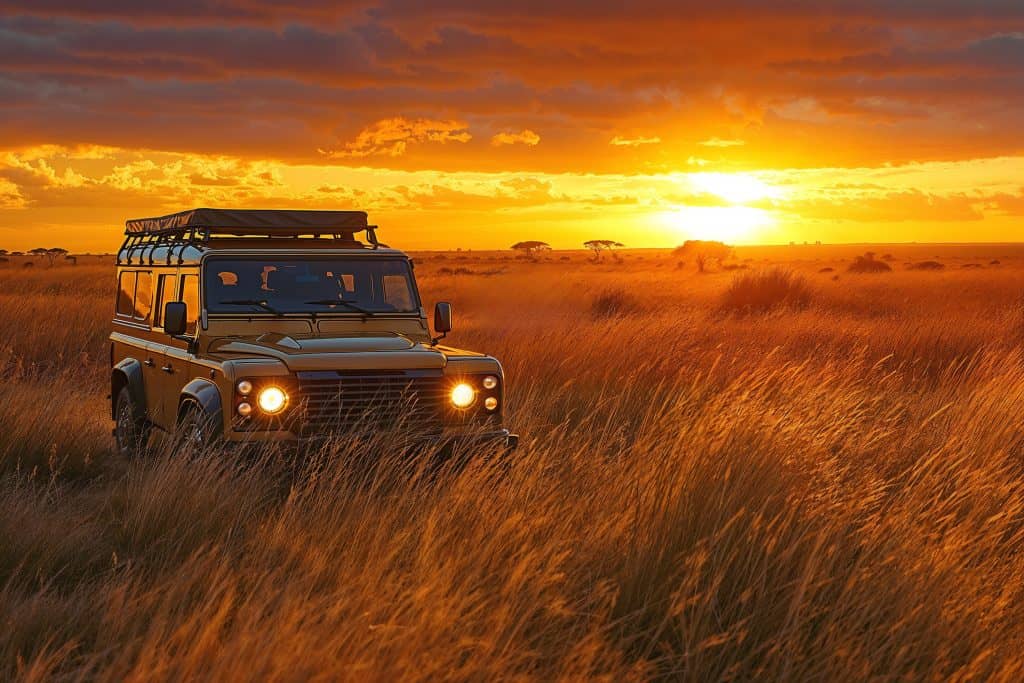
- Sunset over the African savannah is a sight to behold—capture this moment as the skies turn into brilliant shades of red and orange.
d) Evenings in Camp
- After your final game drive of the day, you’ll return to camp for a hearty dinner. Many safari lodges offer campfire experiences where you can share stories under the stars, listening to the distant sounds of the bush.
5. Wildlife Safari Adventure Encounters: What to Expect
A Wildlife Safari Adventure is all about seeing animals in their natural habitat. Here’s what you can expect:
a) The Big Five
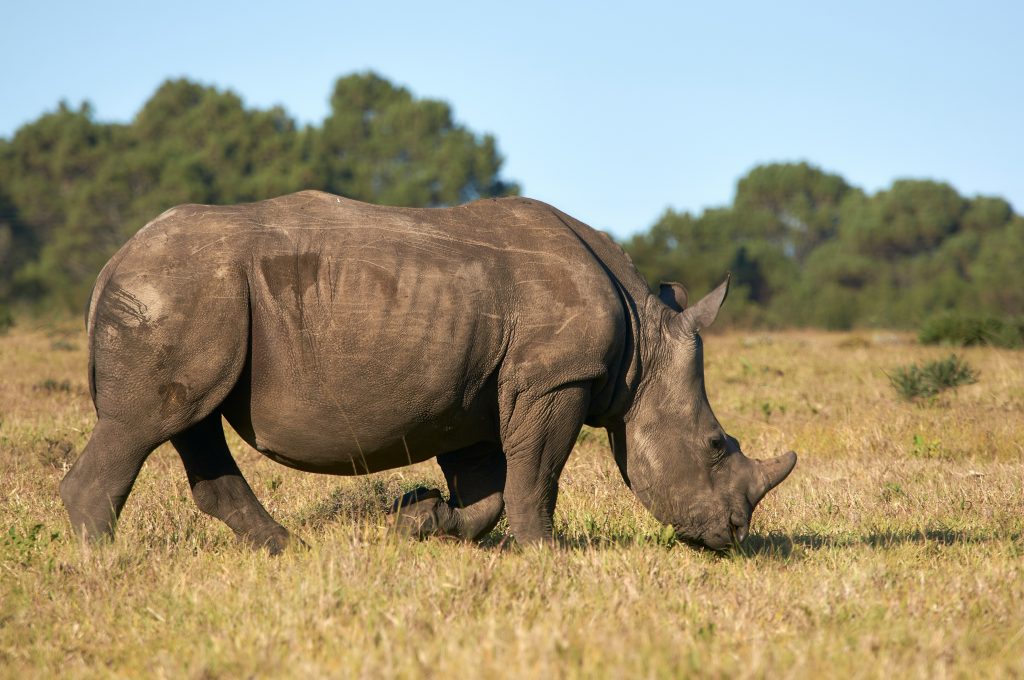
- Most first-time safari-goers are eager to see the Big Five: lions, leopards, rhinos, elephants, and buffalo. Your guide will take you to areas where these animals are most commonly found.
b) Other Wildlife
- A Wildlife Safari Adventure also offers opportunities to see other incredible wildlife like cheetahs, zebras, giraffes, wildebeest, hippos, and an abundance of bird species.
c) Rules of the Wild
- Always respect your guide’s instructions during wildlife encounters. Animals in the wild can be unpredictable, so it’s crucial to stay inside the vehicle and remain quiet.
- Never attempt to feed or approach wildlife, no matter how friendly they may appear.
6. Accommodation Options
Wildlife Safari Adventure accommodations range from luxury lodges to more rustic tented camps. Here are some options:
a) Luxury Safari Lodges
- For those seeking comfort, luxury lodges provide all the amenities of a high-end hotel while offering an authentic Wildlife Safari Adventure experience. These lodges often feature private pools, gourmet dining, and spa services.
b) Tented Camps
- If you want to get closer to nature, opt for a tented camp. These camps are eco-friendly and offer an intimate experience, often with tents that have en-suite bathrooms and modern comforts.
7. Final Tips for First-Time Safari Goers
- Be patient: Wildlife doesn’t appear on demand, so take the time to enjoy the landscape and smaller creatures in between big sightings.
- Embrace the unexpected: Each Wildlife Safari Adventure is unique, and part of the excitement is not knowing what you might see around the next corner.
- Listen to your guide: Your guide’s knowledge and expertise will enhance your experience tenfold, so don’t hesitate to ask questions.
Wildlife Safari Adventure Conclusion
Your first Wildlife Safari Adventure is bound to be an unforgettable experience filled with adventure, awe, and a deep connection with nature. By knowing what to expect and preparing accordingly, you can fully immerse yourself in this once-in-a-lifetime journey. Whether it’s your dream to see a pride of lions on the prowl or watch a herd of elephants cross the savannah, Kairi Travels is here to make your Wildlife Safari Adventure dream a reality.
So, pack your bags, grab your camera, and get ready for the Wildlife Safari Adventure of a lifetime!
